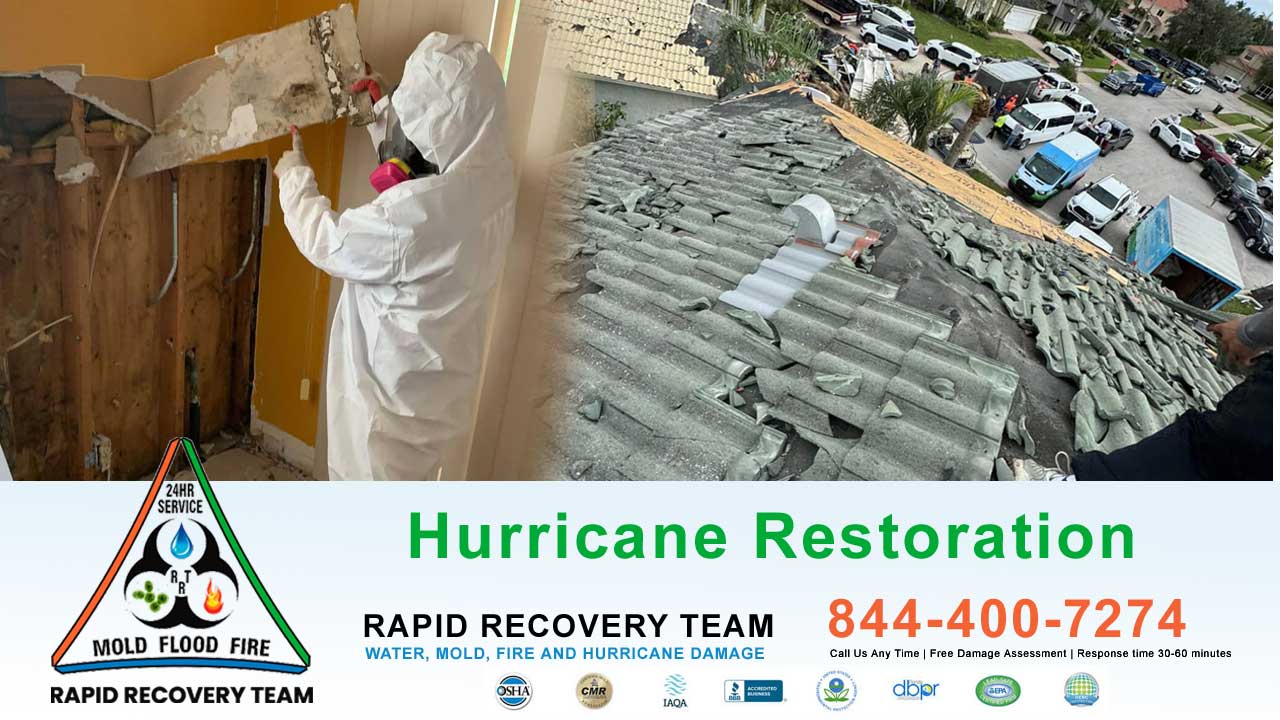
In South Florida, hurricanes bring more than just wind and rain. They bring disruption, destruction, and uncertainty. Once the skies clear and the flooding subsides, most homeowners are left wondering what to do next. And while calling in the pros is essential, there are a few things you need to handle before restoration experts can get to work.
If you’re preparing for Hurricane Damage Restoration, taking the right steps ahead of time can save you stress, time, and money. In this guide, we’ll break down the 10 most important things to do before restoration begins, so your home and your recovery stay on track.
10 Things to Do Before Hurricane Damage Restoration Begins
1. Ensure the Area Is Safe to Enter
2. Document All Visible Damage
3. Contact Your Insurance Provider
4. Secure the Property
5. Remove Important Personal Belongings
6. Wear Protective Gear
7. Minimize Further Water Damage
8. Make a List of Damaged or Lost Items
9. Avoid DIY Repairs
10. Choose a Trusted Hurricane Damage Restoration Company
1. Ensure the Area Is Safe to Enter
Safety comes first. Don’t enter your property until it has been cleared for re-entry by local authorities or emergency personnel. Watch out for:
Downed power lines
Gas leaks
Standing water near electrical sources
Structural instability
If you're unsure whether your home is safe, wait for a professional to assess the situation.
2. Document All Visible Damage
Before any cleanup or restoration begins, take comprehensive photos and videos of the damage. This includes:
Roof and exterior siding
Flooring, ceilings, and walls
Furniture, appliances, and electronics
Garage, backyard, and storage areas
This visual documentation is crucial for your insurance claim and can serve as a reference throughout the restoration process.
3. Contact Your Insurance Provider
File a claim with your homeowners or flood insurance provider as soon as possible. The earlier you report, the faster the process moves. Have your documentation ready, including:
Policy number
Photos/videos of the damage
A list of affected items or rooms
Any receipts for emergency services or supplies
4. Secure the Property
Take reasonable steps to prevent further damage before restoration begins. This might include:
Tarping a damaged roof
Boarding up broken windows
Shutting off water or power
Removing debris blocking walkways or exits
Failing to protect your home may impact your insurance coverage or delay restoration services.
5. Remove Important Personal Belongings
If it’s safe to do so, retrieve valuables and essential items like:
Identification and insurance papers
Medications
Electronics and chargers
Sentimental or irreplaceable items
Place them in a secure, dry area or take them with you if you’re relocating during restoration.
Read More: Why South Florida Homes Need Immediate Hurricane Damage Restoration Services
6. Wear Protective Gear
If you’re entering a damaged or flooded home, be sure to wear:
Waterproof boots
Rubber gloves
A face mask (especially if mold is suspected)
Safety glasses
Floodwater often contains bacteria, chemicals, and debris—protecting yourself is non-negotiable.
7. Minimize Further Water Damage
Standing water leads to serious issues if left unchecked. If you can safely do so, try to:
Remove small pools of water using buckets or wet/dry vacs
Place towels near walls and entry points
Open windows for ventilation, weather permitting
Still, leave deep drying and moisture detection to the professionals.
8. Make a List of Damaged or Lost Items
Create a detailed inventory of what was damaged or destroyed during the storm. Include:
Item descriptions
Purchase dates (estimates are okay)
Cost or value
Photos if available
This list will support your insurance claim and help you track what’s salvageable versus replaceable.
9. Avoid DIY Repairs
It’s tempting to fix things yourself, but avoid any major DIY work before a professional team evaluates the situation. Attempting repairs too early can:
Make the damage worse
Void your insurance claim
Put your safety at risk
Let restoration professionals handle the heavy lifting—they’re trained, equipped, and insured.
10. Choose a Trusted Hurricane Damage Restoration Company
This step is critical. Restoration is not just about cleaning up—it's about rebuilding your home, ensuring long-term safety, and preventing future issues like mold or structural failure.
That’s where the Rapid Recovery Team comes in.
Their certified team offers emergency response, water removal, mold prevention, and full-service repairs across South Florida. With years of hands-on experience and a deep understanding of hurricane-specific damage, they’re ready to respond fast and restore your home right.
Read More: Protecting Your South Florida Property: Post-Hurricane Restoration Essentials
Why Preparation Matters
South Florida homeowners know: hurricane recovery isn’t just about reacting—it’s about being proactive. These ten steps ensure your property, family, and finances are protected while setting the stage for a smoother, more successful restoration process.
Skipping them could lead to:
Delayed insurance claims
Further property damage
Costly out-of-pocket repairs
Health hazards due to mold or contaminated water
That’s why being prepared before restoration begins is just as important as the restoration itself.
Final Thoughts: Start Smart, Restore Faster
When it comes to Hurricane Damage Restoration, time is critical—but so is preparation. Taking action now can prevent delays and avoid headaches later. Protect your property, get your documentation in order, and bring in professionals who know how to handle South Florida’s toughest storm damage.
🛠 Need Help Now? Call the Rapid Recovery Team Today.
If you’re facing hurricane damage, don’t wait another day. Trust the experts at Rapid Recovery Team to deliver fast, reliable, and comprehensive restoration services—24/7. From the first inspection to the final repair, they’ve got your back.