In South Florida, mold isn’t just a seasonal concern—it’s a year-round risk. With constant humidity, heavy rainfall, and frequent plumbing issues, mold can quietly grow behind walls, under floors, and inside HVAC systems long before homeowners notice visible signs. That’s why understanding how mold inspections work in South Florida homes is essential for protecting your property, health, and investment.
Why Mold Is a Serious Issue in South Florida
South Florida’s tropical climate creates the perfect environment for mold growth. Warm temperatures combined with excess moisture from leaks, storms, or condensation allow mold spores to thrive indoors. Many homeowners assume mold will be visible or smell musty, but in reality, most infestations remain hidden.
Professional Florida Mold Inspections are designed to detect mold early—before it causes structural damage or health issues such as allergies, respiratory problems, or chronic headaches.
Step 1: Initial Assessment and Moisture Evaluation
A professional mold inspection begins with a thorough property assessment. Inspectors evaluate areas most vulnerable to moisture, including bathrooms, kitchens, attics, basements, crawl spaces, and laundry rooms. In South Florida homes, special attention is given to windows, roofs, and plumbing systems.
Moisture detection tools are used to locate hidden water intrusion. Services such as window leak detection and targeted inspections around plumbing fixtures help identify conditions that allow mold to grow. Many inspections also overlap with services provided by a Leak Detection Services Company Florida, since unresolved leaks are one of the leading causes of mold infestations.
Step 2: Visual Inspection of High-Risk Areas
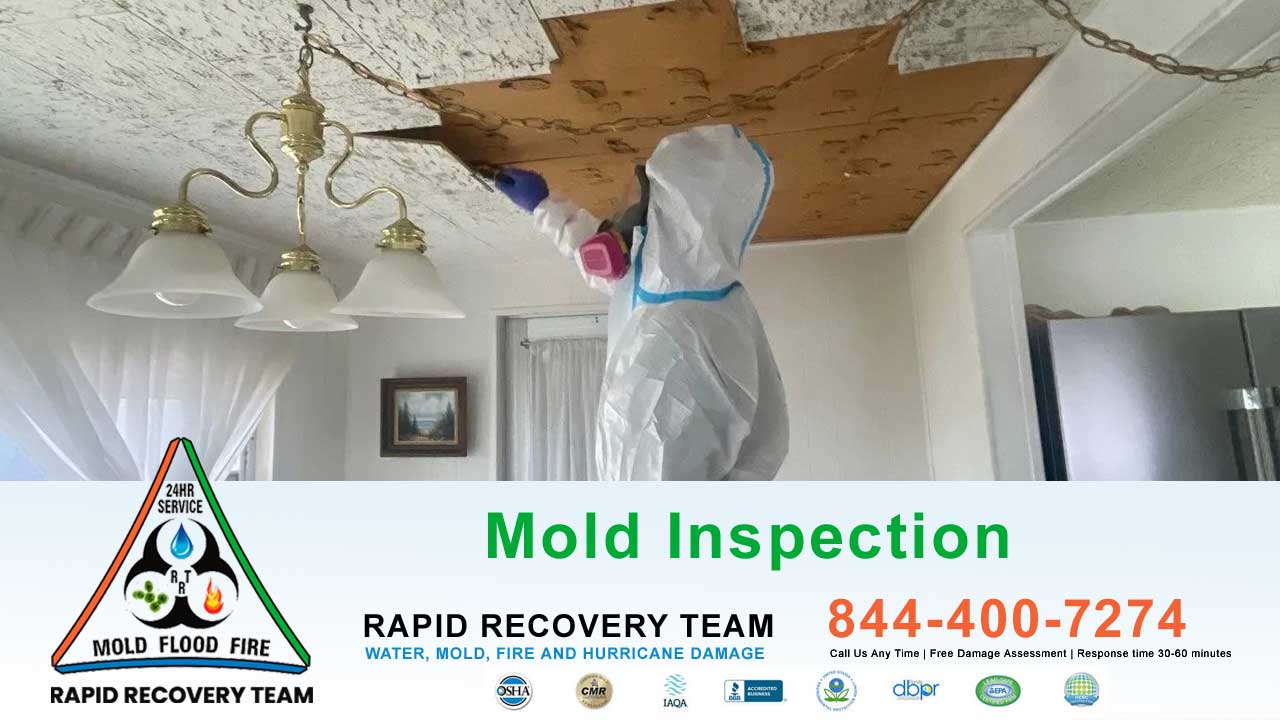
During a mold inspection South Florida, professionals visually inspect interior and exterior surfaces for discoloration, water stains, warping, or visible mold colonies. Inspectors know where mold commonly hides in South Florida homes—behind drywall, under flooring, inside cabinets, and around windows and doors.
Homes in coastal cities, including those needing leak detection Pompano Beach services, often experience salt air corrosion and moisture seepage, increasing mold risks in less obvious locations.
Step 3: HVAC Mold Inspection
One of the most critical steps is a detailed HVAC Mold Inspection. Air conditioning systems in South Florida run almost year-round, creating condensation inside ductwork and air handlers. This makes HVAC systems a common breeding ground for mold.
A professional hvac mold inspection checks air ducts, vents, coils, and drain pans for mold buildup. This step is essential because mold inside HVAC systems can spread spores throughout the entire home, impacting indoor air quality. In larger properties, inspectors may also assess systems connected to South Florida commercial hvac service operations to ensure compliance and safety.
Read More: How Hurricanes Impact Florida Homes—and How Restoration Experts Fix the Damage
Step 4: Air and Surface Sampling (If Needed)
Not all mold is visible. If inspectors suspect hidden mold, they may collect air or surface samples. These samples are analyzed to determine mold type and concentration levels. This step is especially important for homeowners experiencing unexplained health symptoms or after water damage incidents.
Sampling helps confirm whether mold levels exceed normal indoor conditions and provides clarity on whether professional remediation is necessary.
Step 5: Identifying the Source of Moisture
A reliable mold inspection doesn’t stop at detection—it identifies the root cause. Mold cannot grow without moisture. Inspectors often work alongside leak specialists to pinpoint issues such as slab leaks, roof damage, plumbing failures, or condensation problems.
In many cases, inspections lead to further evaluation for window leak detection, plumbing issues, or hidden wall leaks. Addressing the moisture source is critical to preventing mold from returning after cleanup.
Step 6: Detailed Report and Action Plan
After the inspection, homeowners receive a comprehensive report outlining findings, affected areas, moisture sources, and recommended next steps. If mold is present, inspectors may suggest professional services such as mold remediation Jupiter FL or nearby areas, depending on property location.
This report is also valuable for real estate transactions, insurance claims, and long-term property maintenance planning.
Why Professional Mold Inspections Matter
DIY mold tests often miss hidden growth and fail to identify moisture sources. Certified professionals understand South Florida building structures, climate challenges, and common failure points. Their expertise ensures accurate detection, proper documentation, and long-term solutions—not temporary fixes.
Whether you’re a homeowner, landlord, or business owner, proactive mold inspections can save thousands in future repairs and protect occupant health.
Final Thoughts: Protect Your Home Before Mold Takes Over
Mold problems in South Florida rarely resolve on their own. Early detection through professional inspections is the smartest way to safeguard your home or business. From HVAC systems to hidden leaks, a thorough inspection gives you peace of mind and a clear plan of action.
If you’re looking for trusted professionals with experience in mold inspections, leak detection, and restoration, consider Rapid Recovery Team.