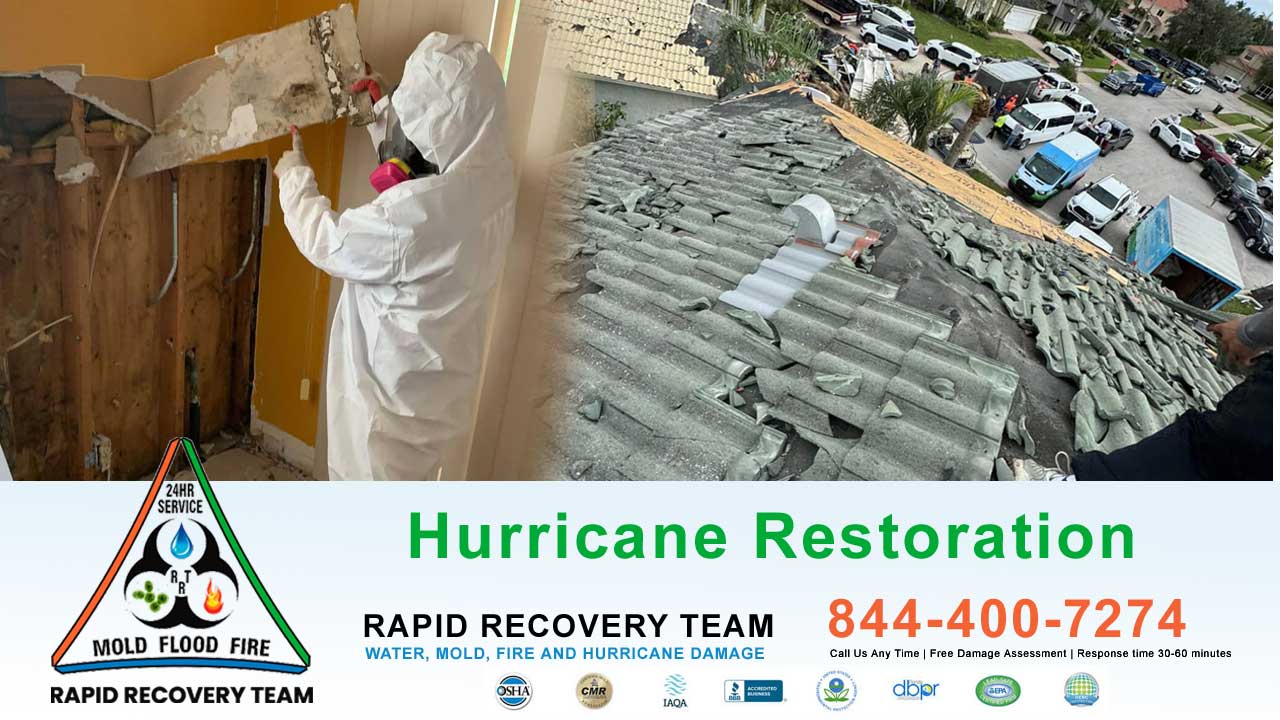
When hurricane season hits Florida, the aftermath can be overwhelming for homeowners. Strong winds, heavy rains, and flooding can cause significant damage to your property, leaving you with the daunting task of restoration. Knowing the right steps to take immediately after a hurricane can make a huge difference in minimizing damage and speeding up your home’s recovery. Whether you're facing roof damage, flooding, or mold growth, understanding the best practices for hurricane restoration is essential for every Florida homeowner.
In this guide, we’ll walk you through the top hurricane restoration tips tailored for Florida’s unique climate and challenges. We’ll also highlight the importance of professional services like residential storm restoration and mold removal in South Florida, helping you protect your home and your family’s health.
Hurricane Restoration Tips for Florida Homeowners
1. Prioritize Safety First
Before you begin any restoration work, make sure the property is safe to enter. Hurricanes can cause structural damage, electrical hazards, and contaminated water, all of which pose risks to your health and safety. If there’s any doubt, wait for a professional inspection.
2. Document the Damage Thoroughly
For insurance claims and future reference, take clear photos and videos of all damage to your home immediately after the storm. This documentation will help you get the compensation you need for repairs and restoration.
3. Act Quickly to Prevent Further Damage
Water damage can worsen rapidly, leading to mold growth and structural decay. Engage in prompt residential storm restoration efforts to mitigate water intrusion. This includes:
Removing standing water using pumps or wet vacuums.
Drying out carpets, walls, and floors with fans and dehumidifiers.
Boarding up broken windows and tarping damaged roofs to protect against additional rain.
The faster you act, the more likely you’ll reduce long-term damage and restoration costs.
4. Address Mold Growth Immediately
Florida’s humid climate makes mold a common and dangerous byproduct of storm damage. Mold can begin growing within 24 to 48 hours after water exposure, and it can lead to serious health issues if not handled properly. Professional mold removal in South Florida is crucial to ensure thorough cleaning and remediation. DIY methods often miss hidden mold, which can continue to spread beneath walls and flooring.
5. Hire Experienced Hurricane Restoration Professionals
While some cleanup tasks can be handled on your own, hurricane restoration often requires expert knowledge and equipment. Working with a trusted company that specializes in hurricane restoration and residential storm restoration ensures comprehensive damage assessment, efficient repairs, and adherence to insurance guidelines.
If you’re in Florida, consider partnering with a reputable team like Rapid Recovery Team. They offer fast, reliable restoration services tailored to Florida’s storm conditions, helping homeowners get back on their feet quickly and safely.
6. Understand Your Insurance Policy
Review your homeowner’s insurance policy carefully to understand what hurricane damage is covered. Many policies have specific clauses for flood damage, which might require separate coverage. Having a restoration professional assist with your insurance claim can streamline the process and maximize your reimbursement.
7. Plan for Future Storms
Once your home is restored, take proactive steps to prepare for future hurricanes:
Inspect and reinforce your roof and windows.
Install hurricane shutters or impact-resistant windows.
Maintain proper drainage around your property to prevent flooding.
Keep emergency supplies on hand, including tarps, plywood, and a generator.
Taking these preventive measures will not only protect your home but also reduce the need for extensive restoration after future storms.
Read More: Effective Mold Removal Solutions for South Florida Homes
Why Professional Restoration Matters in Florida
Florida’s unique weather patterns require restoration experts who understand the local challenges—from intense hurricane winds to prolonged humidity that fuels mold growth. Professional teams equipped with the latest technology can quickly diagnose hidden damage, provide thorough mold remediation, and restore your home to a safe, livable condition.
Ignoring small issues after a storm can lead to costly repairs down the road. Early intervention through expert residential storm restoration and mold removal South Florida is an investment that safeguards your home’s value and your family’s well-being.
Conclusion:
Hurricane damage can feel overwhelming, but with the right knowledge and support, you can restore your home efficiently and safely. Follow these hurricane restoration tips to minimize damage and protect your investment. Remember, time is of the essence—delaying restoration increases risks and costs.
For expert help with your storm recovery, turn to the trusted professionals at Rapid Recovery Team. Their experienced crew specializes in hurricane restoration, residential storm restoration, and mold removal in South Florida. Contact them today to get fast, reliable service that helps you reclaim your home and peace of mind after a hurricane.